
The Role of Technology in Asset Management: How Fintechs Are Transforming the Market
Technology is revolutionizing asset management as fintech companies enhance accessibility, efficiency, and personalization in investing. Innovations like robo-advisors and blockchain foster lower costs and better decision-making, but challenges like regulatory compliance and cybersecurity remain critical. A balanced approach is essential for sustainable success in this evolving market.

Sustainable Asset Management: Integrating Ethical and Responsible Investments
Sustainable asset management emphasizes ethical and responsible investments, aligning financial goals with positive societal impact. By incorporating Environmental, Social, and Governance (ESG) criteria, investors can navigate challenges like greenwashing while fostering collaboration and transparency, ultimately shaping a more inclusive and responsible financial ecosystem for long-term success.

The Importance of Diversification in Wealth Management for High-Risk Investors
Diversification is a vital strategy for high-risk investors, balancing potential rewards with risk management. By spreading investments across various asset classes, such as stocks, bonds, and real estate, investors can mitigate losses, enhance growth potential, and navigate market volatility effectively, ensuring long-term financial stability.

The Impact of Artificial Intelligence on Economic Trends in the Labor Market
The rapid rise of artificial intelligence is transforming the labor market, creating new job opportunities while displacing traditional roles. As automation and data analysis reshape employment trends, workers must adapt by acquiring tech skills and embracing lifelong learning to thrive in an evolving economy driven by AI innovations.

The Rise of Local Economies: Trends in Sustainability and Fair Trade in the USA
Local economies in the USA are flourishing due to a heightened focus on sustainability and fair trade. Consumers are prioritizing local businesses, advocating for ethical practices, and engaging in community resilience. This shift fosters economic growth, strengthens social ties, and promotes environmentally responsible consumer behavior, ultimately supporting a more sustainable future.

Changes in Consumer Behavior Post-Pandemic and Their Economic Implications
The pandemic has drastically altered consumer behavior, accelerating online shopping, prioritizing health, and fostering local support. Businesses must adapt to these changes by enhancing e-commerce strategies, investing in technology, and understanding consumers' evolving preferences to thrive in the post-pandemic economy.
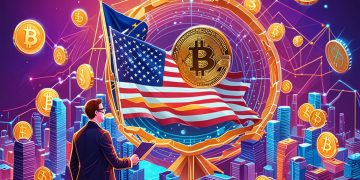
Investment Trends in Cryptocurrencies: The Future of Digital Finance in the United States
The evolving landscape of cryptocurrency investment in the United States showcases growing adoption, regulatory developments, and diverse opportunities. As institutional investors enter the market, understanding volatility and risks becomes essential, allowing investors to navigate this dynamic digital finance frontier confidently and strategically.

The Influence of Monetary Policies on the Volatility of U.S. Financial Markets
Monetary policies significantly shape the volatility of U.S. financial markets by influencing interest rates, inflation control, and market sentiment. The Federal Reserve's actions, such as adjusting rates and employing quantitative easing, create risk-on or risk-off environments, which guide investor behavior and impact economic stability. Understanding these dynamics enables informed decision-making.

Tips for Choosing the Ideal Credit Card for Your Financial Needs
Finding the right credit card can enhance your financial health. Consider key factors like interest rates, rewards programs, and fees while assessing your spending habits and goals. A well-chosen credit card can maximize benefits, minimize costs, and uniquely support your financial needs. Stay informed and proactive in your selection.

The Impacts of the Pandemic on Credit Card Usage in the United States
The COVID-19 pandemic transformed credit card usage in the United States, accelerating online shopping and changing spending priorities. As consumers increasingly relied on credit cards for essentials, issuers adapted by offering enhanced rewards and support. These shifts underscore the evolving financial landscape shaped by unprecedented economic challenges.