
How to Apply for the Goodyear Credit Card Your Step-by-Step Guide
The Goodyear Credit Card offers exclusive discounts on tires and services, flexible payment plans without high interest, and comes with no annual fee. Enjoy easy account management with online access to monitor transactions and balance. Maximize savings and convenience without extra costs.

Step-by-Step Guide to Apply for the Luxury MasterCard Black Credit Card
Unlock elite benefits with the Luxury MasterCard Black Credit Card, including worldwide airport lounge access, no foreign transaction fees, and comprehensive travel insurance. Enjoy a 24/7 luxury concierge service, earn reward points for cashback and trips, and safeguard purchases with extended warranty and theft protection.
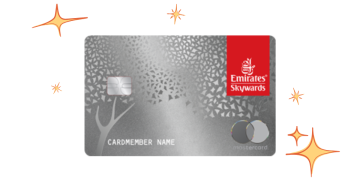
Apply for Emirates Skywards World Elite Mastercard Credit Card Today
Unlock exclusive perks with the Emirates Skywards World Elite Mastercard, earning tier miles on daily purchases and bonus miles on Emirates flights. Enjoy global lounge access, comprehensive travel insurance, and fraud protection. Maximize everyday spending to enhance your travel experience and secure peace of mind on your journeys.

How to Apply for Bank of America Premium Rewards Elite Credit Card
Unlock exceptional travel perks with the Bank of America Premium Rewards Elite Credit Card, offering access to over 1,300 lounges and no foreign transaction fees. Earn 2 points on travel and dining, 1.5 on others, with robust travel protections and 24/7 concierge services enhancing your global adventures.

How to Apply for Choice Privileges Select Mastercard Credit Card
The Choice Privileges Select Mastercard offers exceptional rewards on everyday purchases and elite status perks like complimentary room upgrades. Enjoy no foreign transaction fees and flexible point redemption options, plus travel and purchase protections. Optimize the card by using it for recurring expenses and international travel.

How to Apply for Emirates Skywards Premium World Elite Mastercard Credit Card
The Emirates Skywards Premium World Elite Mastercard offers unlimited global airport lounge access, Skywards Miles with every purchase, complimentary Wi-Fi on Emirates flights, comprehensive travel insurance, and priority check-in and boarding. Maximize these perks for a luxurious and efficient travel experience.

How to Apply for the Delta SkyMiles Platinum American Express Credit Card
The Delta SkyMiles Platinum American Express Credit Card transforms everyday spending into travel opportunities with miles on purchases. Enjoy perks like a yearly Companion Certificate, free checked bags, priority boarding, and discounted Delta Sky Club access—offering savings, convenience, and enhanced comfort for travelers.

Apply for M1 Owners Rewards Credit Card Step-by-Step Guide
The M1 Owner's Rewards Credit Card offers up to 10% cashback on eligible purchases with no annual fee. Seamlessly integrate with M1 Finance to reinvest rewards, benefit from competitive interest rates, and enjoy exclusive offers and promotions for additional savings.

Succession Planning Strategies: Protecting Your Wealth for Future Generations
Succession planning is essential for protecting your wealth and ensuring your legacy for future generations. By implementing comprehensive strategies, involving family discussions, considering tax implications, and utilizing financial tools, you can create a thoughtful plan that preserves assets and fosters financial literacy among heirs.

Impact of Climate Change on Asset Valuation: What Investors Need to Know
As climate change accelerates, it profoundly impacts asset valuation, requiring investors to navigate regulatory changes, physical risks, and shifting market demand. Understanding these dynamics enables informed investment decisions that align with sustainability objectives, protecting portfolios while capitalizing on emerging opportunities in an evolving economic landscape.