How to Use Growth Mindset to Strengthen Relationships
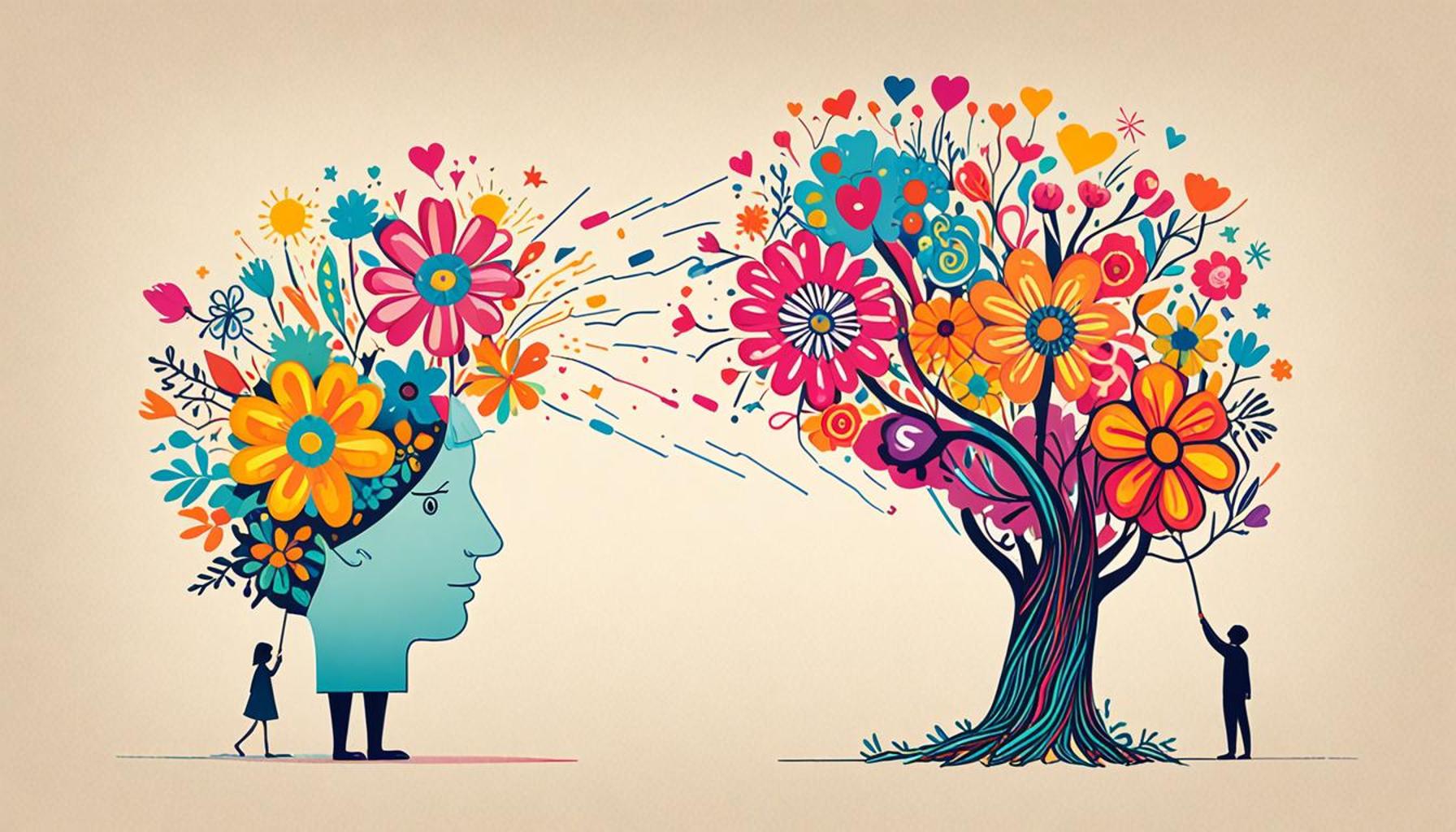
Understanding the Growth Mindset
Relationships shape our lives in profound ways, whether they are with romantic partners, friends, or family members. Each dynamic brings its own set of complexities, requiring ongoing effort, understanding, and a willingness to adapt. One powerful way to enrich these connections is by embracing a growth mindset. This perspective not only fosters resilience but also builds a solid foundation of trust that can withstand the tests of time.
But what does it mean to have a growth mindset? Coined by psychologist Carol Dweck, this concept revolves around the belief that our abilities and intelligence are not fixed traits but can be cultivated. Here are some key characteristics of a growth mindset:
- View challenges as opportunities for growth: Instead of resisting difficult situations, you learn to see them as chances to develop new skills and insights.
- Embrace feedback as a chance to improve: Constructive criticism is welcomed, allowing room for progress and better understanding.
- Learn from failures rather than dwelling on them: Mistakes are recognized as stepping stones toward success, rather than as setbacks.
Applying Growth Mindset to Relationships
When you apply a growth mindset within relationships, the potential for transformation is immense. Here are several practical ways to integrate this approach:
- Encourage open communication: Create a safe space where both partners feel comfortable sharing their thoughts and feelings. Establishing regular ‘check-ins’ can help facilitate honest discussions, allowing for vulnerability and deeper connection.
- Emphasize collaboration: View challenges as joint problems to solve together. Instead of seeing conflicts as points of contention, work collaboratively to find solutions. This fosters teamwork and strengthens the bond you share.
- Learn from each other: Each partner brings unique strengths to the relationship. Utilize these strengths to address challenges and promote growth. For instance, if one partner excels in financial planning and the other in emotional support, recognize these skills and learn from one another.
Investigating deeper into these strategies reveals a wealth of benefits. Research has shown that relationships grounded in a growth mindset experience higher levels of satisfaction and commitment. According to a study published in the journal *Personal Relationships*, couples who engage in growth-oriented behaviors are more likely to overcome conflicts positively, leading to greater overall happiness.
As you continue exploring the principles of a growth mindset, consider how you might apply them to improve not just romantic partnerships, but also friendships and family relationships. The opportunity for development is vast, and the rewards of nurturing these bonds can be life-changing.
SEE ALSO: Click here to read another article
Embracing Openness and Vulnerability
At the heart of a successful relationship lies the ability to communicate effectively, and a growth mindset paves the way for openness and vulnerability. When partners engage in transparent conversations, they build trust and familiarity, which are essential for a lasting bond. By encouraging each other to share feelings, fears, and aspirations, couples foster a deeper emotional connection. It is essential to approach these discussions without judgment, creating an environment where both individuals feel safe expressing themselves without fear of criticism.
For instance, couples can establish regular discussions—commonly referred to as ‘check-ins’—to evaluate their emotional needs and relationship satisfaction. During these moments, reflect on both positive outcomes and areas needing improvement. This practice not only allows partners to openly resolve issues as they arise but also underscores their commitment to one another’s growth.
Shifting the Perspective on Conflict
Conflict is an inevitable part of any relationship; however, a growth mindset can change how partners perceive these challenges. Instead of viewing disputes as adversarial battles, consider them as collaborative opportunities for growth. This shift in perspective encourages individuals to approach conflict resolution with curiosity rather than defensiveness.
- Reframe the conflict: Ask yourselves, “What can we learn from this situation?” This question transforms the conflict into a learning experience, positioning both partners as teammates navigating the challenges together.
- Practice active listening: It’s vital to actively listen to another’s viewpoint during disagreements. This means not just hearing the words, but understanding the underlying emotions and intentions. It can foster compassion and empathy, crucial elements for learning and growth.
- Seek shared solutions: Rather than becoming entrenched in individual positions, focus on collaborative problem-solving. Brainstorm together and aim for solutions that respect both individuals’ needs and desires.
Research indicates that couples who embrace a growth mindset during conflicts experience fewer negative emotions and higher satisfaction in their relationships, according to a study published in the *Journal of Social and Personal Relationships*. Couples who employ these techniques not only overcome disagreements more effectively but also emerge stronger, equipped with deeper insights into each other’s thoughts and feelings.
The principles of a growth mindset can also be applied to friendships and family dynamics. Just as romantic partnerships benefit from open communication and collaborative problem-solving, so too do familial and platonic relationships. By practicing these principles universally, individuals cultivate an enriching relational environment where everyone can thrive.
As you delve deeper into the power of a growth mindset, consider how cultivating these skills can lead to transformative changes in your relationships. The rewards of consciously applying these techniques are profound and far-reaching, promising to enhance connections that are meaningful and fulfilling.
| Advantage | Description |
|---|---|
| Enhanced Communication | Growth mindset encourages open dialogue, allowing individuals to express thoughts and feelings effectively. |
| Increased Empathy | Adopting a growth mindset fosters a deeper understanding of others’ perspectives, strengthening connections. |
| Resilience in Conflict | A growth mindset promotes a solution-oriented approach during conflicts, enabling relationships to thrive despite challenges. |
| Mutual Support | Partners with a growth mindset empower each other, leading to a supportive and nurturing relationship environment. |
Understanding the concept of a growth mindset is crucial for anyone looking to enhance their relationships. It is more than just a buzzword; it involves recognizing that both oneself and one’s partner can develop and improve over time. By applying this mindset, individuals become more adaptable and learn to embrace change together. For instance, when conflicts arise, instead of viewing them as failures, partners can see them as opportunities for growth and understanding.Additionally, this transformative approach can lead to better conflict resolution strategies, ensuring that both partners feel heard and valued. They learn to navigate disagreements constructively, focusing on solutions rather than problems. Equally important is the aspect of emotional intelligence that evolves from a growth mindset, enhancing empathy and connectivity. Investing in relationships through this lens of continual improvement can significantly affect one’s emotional health and overall happiness. Each interaction, whether positive or challenging, becomes a stepping stone to a stronger, more resilient bond with others. As the dynamics of relationships shift, those who lean into a growth mindset will likely find themselves reaping the long-term rewards of deeper connections and enriched interactions with their loved ones.
SEE ALSO: Click here to read another article
Fostering Resilience Through Support
One of the most powerful ways to use a growth mindset in relationships is by fostering resilience when facing challenges. A resilient partnership is not defined by the absence of difficulties but by how both partners respond and adapt to those difficulties together. To cultivate resilience, it is crucial to become each other’s cheerleaders, providing support that acknowledges both individual aspirations and shared goals.
Consider implementing a practice of regularly celebrating achievements, no matter how small. This could involve sharing personal and professional successes during your check-ins. Recognizing accomplishments, whether from work projects, personal growth, or milestone events, can boost motivation and show that both partners are actively participating in each other’s journeys. In turn, this creates an environment where individuals feel more confident in taking calculated risks, knowing they have a supportive partner by their side.
Building Emotional Intelligence
A growth mindset not only enhances resilience but also contributes to the development of emotional intelligence, a fundamental trait in strong relationships. Emotional intelligence involves the ability to recognize, understand, and manage one’s own emotions while empathizing with others. To nurture emotional intelligence within a relationship, partners can:
- Practice mindfulness: Mindfulness can help partners stay present during interactions, allowing them to better manage their emotional responses and maintain a balanced perspective.
- Encourage self-reflection: Taking time to evaluate personal feelings and actions enables individuals to understand how their emotions impact their partner. This self-awareness fosters healthier interactions and reduces impulsivity.
- Engage in empathy-building exercises: Share stories that evoke strong feelings and discuss how these experiences influence both partners’ perceptions. Engaging in such activities deepens understanding and connection.
Moreover, emotional intelligence in relationships is not solely about individual growth—it greatly influences the dynamics of the partnership. A study from the *International Journal of Psychological Studies* found that couples who demonstrated high levels of emotional intelligence reported increased satisfaction and deeper relationship stability. As partners learn to manage their emotional landscapes, they create a foundation that’s resilient to external stressors.
The Role of Feedback and Growth
Implementing a culture of constructive feedback is also critical for maintaining a growth mindset in relationships. Feedback should be framed positively and aimed at promoting growth. Encourage each other to voice thoughts constructively without placing blame. When addressing a concern, use “I” statements—such as “I feel overlooked when…”—to express feelings without making the partner feel attacked. This approach helps to avoid the spiral of defensiveness and allows for open dialogue.
Additionally, seek regular feedback from one another about the relationship itself. Implement questions like, “What can we do to improve our communication?” or “How can I support you better?” This not only enhances individual fulfillment but also strengthens the overall relationship, emphasizing a commitment to continuous improvement.
By focusing on resilience, emotional intelligence, and constructive feedback, partners can truly harness the potential of a growth mindset. This proactive strategy transforms challenges into stepping stones, fortifying relationships and ensuring both individuals thrive. As you explore these principles, remain open to the transformative power of connection and the profound benefits a growth mindset can yield.
SEE ALSO: Click here to read another article
Conclusion: Embracing Growth for Relationship Enrichment
In conclusion, adopting a growth mindset is not merely a strategy, but a transformative approach that can significantly enrich relationships. By viewing challenges as opportunities for growth, partners can cultivate a deeper connection that thrives on resilience, emotional intelligence, and open communication. As highlighted, the journey toward stronger relationships involves supporting each other through adversities, celebrating achievements, and fostering a culture of constructive feedback.
Understanding that emotional intelligence plays a pivotal role in relationship dynamics can enable partners to effectively manage their emotions and actions, leading to more harmonious interactions. Furthermore, practicing mindfulness and empathy helps in bridging gaps and enhancing mutual understanding. By engaging in regular discussions about each partner’s evolving needs and aspirations, couples can create an environment conducive to personal and collective growth.
As you integrate these principles into your own relationships, remain mindful that the path to growth can often be challenging yet ultimately rewarding. Embrace the lessons learned from each experience, recognizing that vulnerability and perseverance are key elements in building lasting bonds. By intentionally nurturing a growth mindset, you not only strengthen your connection with your partner but also embark on a journey of continuous personal development that enriches both individuals involved.
As you reflect on these insights, consider how you can actively implement a growth mindset in your relationships. The empowering impacts of resilience, emotional awareness, and constructive feedback can lead to a more fulfilling partnership, paving the way for a future where both partners flourish side by side.
Related posts:
Tips for Building Patience in Long-Term Processes A Guide
The Power of Self-Reflection in Building Self-Awareness
Overcome Fear of Failure Growth Mindset Tips for Success
Strategies to Overcome Limiting Beliefs and Unlock Personal Potential
Mastering Personal Progress How to Handle Comparisons Effectively
How Growth Mindset Turns Failures Into Opportunities A Transformative Guide

Linda Carter is a writer and growth mindset specialist with expertise in cognitive development and resilience training. With extensive experience helping individuals transform limiting beliefs and unlock their potential, she shares practical mindset strategies on our platform. Her goal is to empower readers with science-backed techniques to cultivate adaptability, embrace challenges, and achieve continuous personal and professional growth.