
The Role of Credit Cards in Building an Efficient Personal Budget
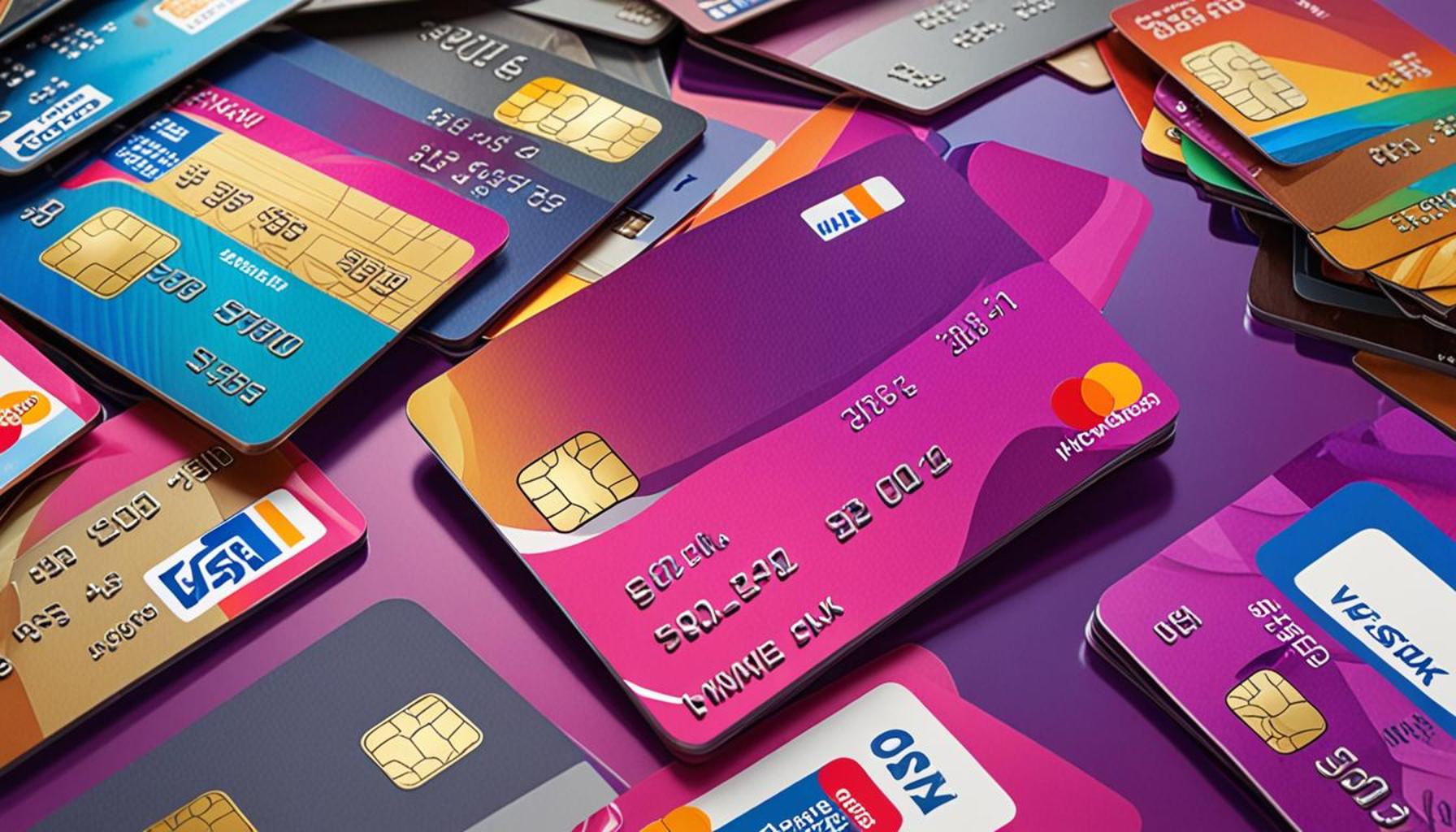
A Deeper Look into Credit Cards for Budgeting
Credit cards, when utilized strategically, can significantly enhance your budgeting efforts, helping you manage expenses and make the most out of your finances. They are not just plastic cards; they serve as financial tools that can facilitate your spending while providing benefits that traditional cash transactions do not offer. Understanding these features can lead to smarter budgeting practices that align with your financial objectives.
Cash Flow Management
One of the primary advantages of using a credit card is its ability to assist with cash flow management. For instance, if you encounter an unexpected expense—like a medical bill or car repair—credit cards allow you to cover those costs immediately, even if your paycheck is still a few days away. By using your credit card to bridge these financial gaps, you can avoid late fees or missed payments that could harm your credit score. However, it’s essential to repay the amount as soon as possible to maintain financial health.
Rewards and Benefits
Another appealing aspect of credit cards is their rewards programs. Many credit cards offer points for every dollar spent, which can be redeemed for travel, gift cards, or even cash back. For example, if you frequently travel for work, a card that offers airline miles can be highly beneficial; every purchase you make could contribute toward a free flight. Similarly, cash-back credit cards provide a percentage back on your purchases, effectively reducing the overall cost of your spending. Consider a card that gives you 1.5% cash back on every purchase. If you spend $2,000 a month, that could mean $360 back in your pocket at the end of the year!
Expense Tracking
Modern credit cards also aid in expense tracking. With monthly statements that summarize spending by category—such as groceries, dining, and entertainment—you can easily see where your money is going. This transparency can prompt you to make necessary adjustments to stay within your budget. For instance, if you notice that a significant portion of your budget is being consumed by dining out, you might decide to cut back and cook more meals at home, which can ultimately save you money.
Practicing Responsible Usage
Despite these advantages, the key to success lies in responsible credit card usage. Mismanagement can lead to high-interest debt and financial distress. To avoid these pitfalls, consider the following guidelines:
- Pay Off Balance: Always aim to pay off your full balance each month. This practice not only helps avoid accruing interest but also builds your credit score over time.
- Set Spending Limits: Treat your credit card like a debit card; stick to a predetermined monthly budget. This approach ensures you do not spend beyond your means and encourages disciplined financial habits.
- Monitor Your Spending: Regularly check your transactions through the bank’s app or website. Keeping a close eye on your spending will help ensure that it aligns with your financial goals and budget.
In conclusion, credit cards can serve as valuable allies in maintaining a solid budget. When used judiciously, they can enhance your financial flexibility, reward you for your spending, and provide vital insights into your spending habits. Armed with this knowledge, you can confidently incorporate credit cards into your financial strategy, promoting healthier financial habits overall.
DISCOVER MORE: Click here for valuable journaling techniques
Maximizing Your Budget with Credit Cards
When integrated into a personal budget wisely, credit cards can serve as a powerful tool in enhancing financial management. They offer a range of functionalities that can help you navigate daily expenses while also contributing to long-term financial health. To make the most of your credit card, it’s crucial to understand how it complements your overall budgeting practices and how it can work in your favor.
Creating a Safety Net
One of the most significant benefits of using credit cards is the ability to function as a safety net during financial crunches. For example, if an unexpected expense arises—such as emergency car repairs or medical bills—having a credit card allows you to manage these costs without derailing your budget. Instead of scrambling for cash or resorting to high-interest loans, you can comfortably charge the expense to your credit card, knowing you have some time to pay it back without immediate financial consequences. This flexibility can prevent the small setbacks from spiraling into larger issues and ensure that your budget remains intact.
Smart Spending Habits
Credit cards can also encourage smart spending habits. The convenience of a credit card helps in managing everyday transactions without the need for cash. However, this ease can sometimes lead to impulsive purchases. To counteract this, it’s essential to establish clear spending limits for your credit card use. For instance, if you allocate a certain portion of your budget for dining out or entertainment, stick to those limits. This proactive approach can foster discipline in your spending habits, enabling you to enjoy the benefits of your credit card without succumbing to overspending.
Uncovering Spending Insights
Another significant advantage of credit cards is their ability to provide detailed spending insights. Many credit card companies offer robust online tools and apps that categorize your spending across various categories, such as groceries, utilities, and leisure. This feature can be a game-changer for identifying spending trends. For example, if you notice a spike in your coffee shop expenses over the month, you can consciously decide to limit those indulgent purchases, redirecting that money toward savings or investments instead. This type of tracking enhances accountability and encourages a more thoughtful approach to expenditures.
Incentives for Long-Term Savings
Many credit cards come with various incentives that can bolster your budget. For example, if you have a rewards card, you may earn points or cash back for every dollar you spend. Over time, these rewards can add up to significant savings or benefits. To maximize the value of these programs, choose a card that aligns with your spending habits. If you spend a lot on groceries and gas, selecting a card that offers higher rewards in those categories can enhance your long-term savings while making your budget more efficient.
Incorporating credit cards into your personal budget can lead to greater financial control and awareness. However, it’s essential to use them cautiously and strategically. By leveraging their advantages, you can set yourself up for a healthier financial future while still enjoying the benefits that come with responsible credit card use.
DIVE DEEPER: Click here to enhance your understanding
Managing Debt Effectively
While credit cards can be beneficial for those looking to manage their personal budgets, it is critical to focus on debt management as well. Many individuals fall into the trap of accumulating high balances on their credit cards, often due to the ease of use and delayed payment options. Therefore, it becomes essential to develop a strategy for paying off any existing credit card debt to ensure it does not hinder your financial goals. This might include prioritizing payments to avoid accruing high interest charges. For instance, consider the method known as the “debt snowball,” where you pay off smaller balances first, creating a sense of achievement and motivation to tackle larger debts.
Utilizing Credit Card Payment Plans
Some credit cards offer promotional 0% interest balance transfer options, allowing you to transfer existing debt from high-interest cards to a new card with no interest for an introductory period. This can significantly reduce the amount you pay in interest, making it easier to pay off the principal. When considering these options, it is important to have a repayment plan in place before the introductory period ends to avoid reverting to a higher interest rate. This strategy not only helps in managing your current debt but also assists in maintaining a stronger credit score, an important component of your overall financial health.
Building Credit Responsibly
Using credit cards judiciously can also foster credit score improvement. A healthier credit score opens doors to favorable lending options, such as lower rates on personal loans or mortgages, which can further help in achieving broader financial objectives. Keeping your credit utilization ratio—the percentage of your credit limit that you’re using—below 30% is a good practice for maintaining a healthy credit score. If your limit is $5,000, for example, aim to keep your balance under $1,500. Regularly monitoring your credit card statements can ensure you’re staying within this ratio and provide insights into your spending behaviors.
Emergency Preparedness
Credit cards can also play a crucial role in emergency preparedness. Having a credit card for unforeseen expenses can prevent you from needing to dip into your savings or relying on loans with higher interest rates. This not only preserves your emergency fund but also allows you to handle situations such as urgent home repairs or medical emergencies more effectively. Setting aside an emergency budget that accounts for potential credit card use can create a structured plan, ensuring you’re prepared for the unexpected without compromising your financial stability.
Rewards and Financial Literacy
Finally, it’s important to remember that beyond immediate budget impacts, credit cards can foster greater financial literacy. By actively managing your credit card, you’ll learn more about effective budgeting, and financial terms, and concepts such as interest rates, payment due dates, and cash flow management. Many issuers offer educational resources tailored to making the most out of a credit card, from maximizing reward systems to understanding different fees associated with credit use. Engaging with these materials can enhance your financial acumen, enabling you to make informed decisions that align with your personal budgeting goals.
In summary, credit cards can be leveraged effectively to enhance your personal budget strategy—when used wisely and with a clear understanding of their implications, they can contribute to a solid financial foundation and a smarter path toward achieving your goals.
DISCOVER MORE: Click here for effective micro-habit strategies
Conclusion
In conclusion, credit cards serve as a powerful tool in the quest for an efficient personal budget when used with caution and strategic planning. They are more than just a means to make purchases; they can help in debt management, build your credit score, and provide a safety net for emergencies. By setting a disciplined approach to spending, such as keeping your credit utilization below 30% and prioritizing payments, you can leverage the benefits of credit cards while minimizing potential pitfalls.
Moreover, the use of credit card payment plans, like 0% interest balance transfers, can ease the burden of existing debt and empower you toward quicker repayment. Additionally, credit cards encourage financial literacy, as users become more familiar with budgeting, interest rates, and financial management principles. This knowledge can further enhance your budgeting capabilities, contributing to a more substantial financial future.
Ultimately, when treated as a structured part of your financial strategy rather than as a shortcut to immediate gratification, credit cards can facilitate a healthier financial lifestyle. Remember, the key to utilizing credit cards effectively lies in balancing their benefits and risks—approach them with respect and informed awareness, and you’ll be on your way to achieving a well-rounded and sustainable personal budget.
Related posts:
How to Apply for Bank of America Customized Cash Rewards Credit Card
Credit Cards and Consumer Protection: What You Need to Know
How to Apply for Bank of America Unlimited Cash Rewards Credit Card
Tips for Choosing the Ideal Credit Card for Your Financial Needs
How to Apply for the BankAmericard Credit Card Easily Online
How to Apply for an Oportun Loan Easy Steps Requirements

Linda Carter is a writer and financial expert specializing in personal finance and financial planning. With extensive experience helping individuals achieve financial stability and make informed decisions, Linda shares her knowledge on our platform. Her goal is to empower readers with practical advice and strategies for financial success.