
The Impact of Artificial Intelligence on Economic Trends in the Labor Market
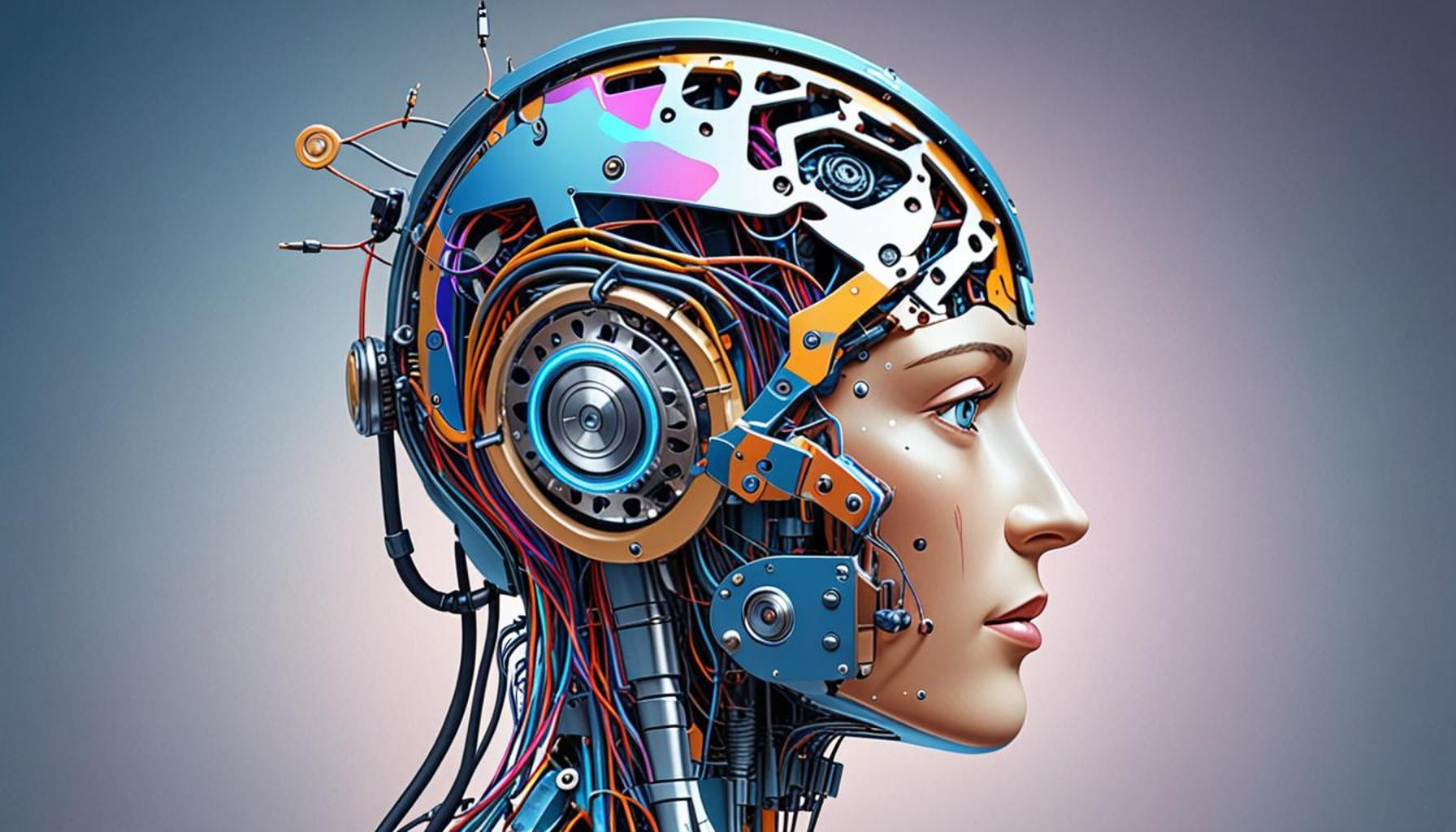
The Influence of AI on Employment Trends
The rapid advancement of artificial intelligence (AI) is reshaping the labor market in profound ways. As AI technologies continue to evolve, they create distinctive economic trends that present both opportunities and challenges for workers. Recognizing these dynamics is crucial for individuals seeking to navigate the future job environment effectively and competently.
AI is increasingly integrated into various sectors, fundamentally changing how jobs are performed. Consider the following examples:
- Automation: Many repetitive tasks, such as data entry and inventory management, are now handled by machines and AI systems. For instance, businesses are using AI-driven robots in warehouses to automate sorting and packing processes, leading to enhanced productivity and reduced human error.
- Data analysis: AI technologies can analyze vast data sets at speeds unattainable by humans, providing critical insights for business decision-making. Companies like Amazon and Google leverage AI to assess user behavior, improve customer experiences, and personalize services, driving sales and customer loyalty.
- Job creation: While some traditional roles are being automated, new opportunities are emerging in fields like AI management, machine learning engineering, and ethics consulting. For instance, many companies now require specialists who can oversee AI systems, ensuring they function effectively and ethically.
The economic implications of these trends are significant and multifaceted. For example:
- As the job landscape shifts, workers may need to acquire new skills, such as coding or data analytics, to remain relevant in the evolving market. This requirement highlights the importance of continuous learning and professional development.
- Companies can reduce operational costs while simultaneously boosting efficiency through the use of AI, which can handle tasks more quickly and accurately than human labor.
- The overall demand for skilled labor is shifting towards technology-focused fields, including healthcare tech, fintech, and cybersecurity, emphasizing the need for education systems to adapt and prepare the workforce for these roles.
As we delve deeper into this topic, it becomes clear that AI is not merely a tool for efficiency; it is a transformative force that reshapes not only job roles but also economic structures and workforce dynamics across various industries. Understanding these changes will equip future workers with the knowledge needed to thrive in an increasingly automated world.
DIVE DEEPER: Click here to discover more strategies
Transforming Job Roles and Skills
The advent of artificial intelligence (AI) is not only automating activities but is also fundamentally transforming job roles and the skill sets required in the workforce. As AI technologies become integrated into various industries, employees must adapt to a changing landscape characterized by new demands and shifts in traditional employment structures. Understanding these changes helps workers to prepare themselves for the future job market.
One of the most significant impacts of AI on the labor market is the transformation of job descriptions. For example, in manufacturing, AI-driven robots can perform repetitive assembly tasks with precision and speed, leading to a diminishing need for unskilled labor in those areas. Conversely, this shift creates a need for skilled technicians who can operate, maintain, and repair these AI systems. The necessity for employees to take on roles that require technical savvy is increasing. Here are a few essential roles emerging from this transition:
- AI Trainers: These professionals are responsible for teaching AI systems to recognize patterns and make decisions. This requires an understanding of both the technology and the specific requirements of the tasks being automated.
- Data Scientists: With businesses relying on data to inform decisions, there is a growing demand for experts who can analyze and interpret complex data. These professionals play a crucial role in making AI outputs actionable for companies.
- Ethics Compliance Specialists: As AI usage raises ethical questions, there is a need for professionals who can ensure that AI applications conform to legal and ethical standards, thus protecting companies from potential liabilities.
In addition to creating new job roles, AI is reshaping the skill requirements for existing positions. Employees are increasingly expected to possess a blend of technical and soft skills. Here are some skills that are becoming increasingly vital:
- Technical Skills: Proficiency in programming languages, data analysis tools, and AI-specific software is becoming essential for many career paths.
- Problem-Solving Abilities: The capacity to think critically and creatively to resolve unique challenges that may arise as technology evolves is crucial.
- Adaptability: As AI and technology continue to advance rapidly, the ability to learn new tools and processes becomes increasingly important in remaining competitive in the job market.
The shift toward a tech-oriented workforce means that educational institutions must also adjust their curricula to better prepare students for these new demands. Programs that focus on STEM (science, technology, engineering, and mathematics) and coding skills are now more vital than ever. By fostering a culture of continuous learning, individuals can enhance their employability in an AI-driven economy.
In summary, the impact of AI on the labor market is profound, influencing not only the nature of job roles but also the skills required to succeed. As the landscape continually evolves, staying informed and proactive about skills development is essential for securing future employment opportunities.
DISCOVER MORE: Click here to learn how to navigate uncertainty with confidence
The Role of AI in Job Displacement and Creation
As artificial intelligence continues to permeate various sectors, a significant discussion centers around its dual role in both job displacement and job creation. While AI technologies can lead to the obsolescence of certain positions, they can also open new avenues for employment, particularly in industries that are evolving alongside technology.
One of the primary concerns regarding AI is job displacement. The fear is valid; many roles that involve routine, manual, or repetitive tasks are particularly vulnerable to automation. For instance, in the retail sector, self-checkout stations powered by AI reduce the need for cashiers, potentially leading to job cuts. Similarly, in the transportation industry, the rise of autonomous vehicles poses a threat to traditional trucking jobs. A 2020 study by McKinsey estimated that by 2030, up to 25% of the workforce in the United States could be displaced due to automation.
However, it is equally important to consider the counterbalancing effect of AI-driven job creation. As industries adapt to integrate AI, new roles emerge that did not previously exist. For example, consider the field of healthcare. AI technologies are revolutionizing diagnostics and treatment plans, requiring professionals to interpret AI outputs. This has led to the creation of hybrid roles, such as health informaticians who combine medical knowledge with data analytics skills to enhance patient care.
Additionally, the demand for AI-related sectors has surged, especially in tech hubs across the United States. Areas such as machine learning, natural language processing, and cloud computing are expanding rapidly, creating a wealth of opportunities within a relatively short time. Companies like Google and Amazon are continuously seeking IT professionals who are not just familiar with AI technologies but can also innovate and push the boundaries of what’s possible.
Reshaping the Employer Landscape
The influence of AI on employers is also noteworthy. Many organizations are re-evaluating their workforce strategies as they integrate AI capabilities. This has led to a noticeable shift toward a more flexible labor model. Companies are increasingly hiring freelancers, contractors, and remote workers to fill specific roles or manage AI systems, allowing them to scale their operations more flexibly without the long-term commitment of permanent hires.
This flexible model benefits both employers and employees. Employers gain access to a broader talent pool without geographical limitations, while employees enjoy greater autonomy in their work arrangements. For instance, tech companies may employ software developers based in different states or even countries to collaborate on projects that leverage AI. This trend has been further accelerated by the COVID-19 pandemic, which showcased the viability of remote work in maintaining productivity.
Furthermore, the drive for workforce diversity has gained prominence within AI implementation. Companies recognize that diverse teams bring unique perspectives, which can enhance innovation in AI development. As such, there is an increasing push for initiatives aimed at ensuring that underrepresented groups are included in technology-related fields, thus creating an enriched talent pipeline.
In summary, while AI poses a threat of job displacement, it simultaneously paves the way for job creation and a more agile workforce structure. Understanding this duality is essential for navigating the evolving labor market and preparing for the opportunities that lie ahead.
DIVE DEEPER: Click here to discover more
Conclusion
The integration of artificial intelligence into the labor market is undeniably reshaping economic trends, presenting both challenges and opportunities. While concerns about job displacement are valid, particularly in sectors where routine tasks dominate, it is crucial to acknowledge the potential for job creation in emerging fields. AI is not just a threat; it acts as a catalyst for innovation, giving rise to roles that blend human expertise with technological advancement.
Moreover, the shift towards a more flexible labor model signifies a transformation in how work is organized. Employers are now embracing remote and freelance talent, which opens up a diverse range of possibilities for collaboration and creativity. This flexibility not only benefits businesses by optimizing their workforce according to project needs, but also enhances worker satisfaction through greater autonomy.
As we navigate this evolving landscape, it is essential to prioritize workforce development. Upskilling and retraining initiatives, along with focused efforts on diversity and inclusion, will be key in ensuring that the workforce is well-prepared to adapt to the demands of an AI-driven economy. By fostering an environment where all individuals can thrive, we pave the way for a more resilient labor market that leverages the strengths of both technology and human ingenuity.
Ultimately, embracing the transformative potential of AI while proactively addressing its challenges can lead to a more prosperous future for both employers and employees alike. It is a journey of adaptation, and those who are willing to engage with these changes will undoubtedly shape the economic trends of tomorrow.
Related posts:
Investment Trends in Cryptocurrencies: The Future of Digital Finance in the United States
The Rise of Local Economies: Trends in Sustainability and Fair Trade in the USA
The Influence of Monetary Policies on the Volatility of U.S. Financial Markets
Changes in Consumer Behavior Post-Pandemic and Their Economic Implications

Linda Carter is a writer and financial expert specializing in personal finance and financial planning. With extensive experience helping individuals achieve financial stability and make informed decisions, Linda shares her knowledge on our platform. Her goal is to empower readers with practical advice and strategies for financial success.