Growth Mindset Strategies in the Workplace Boost Productivity Success
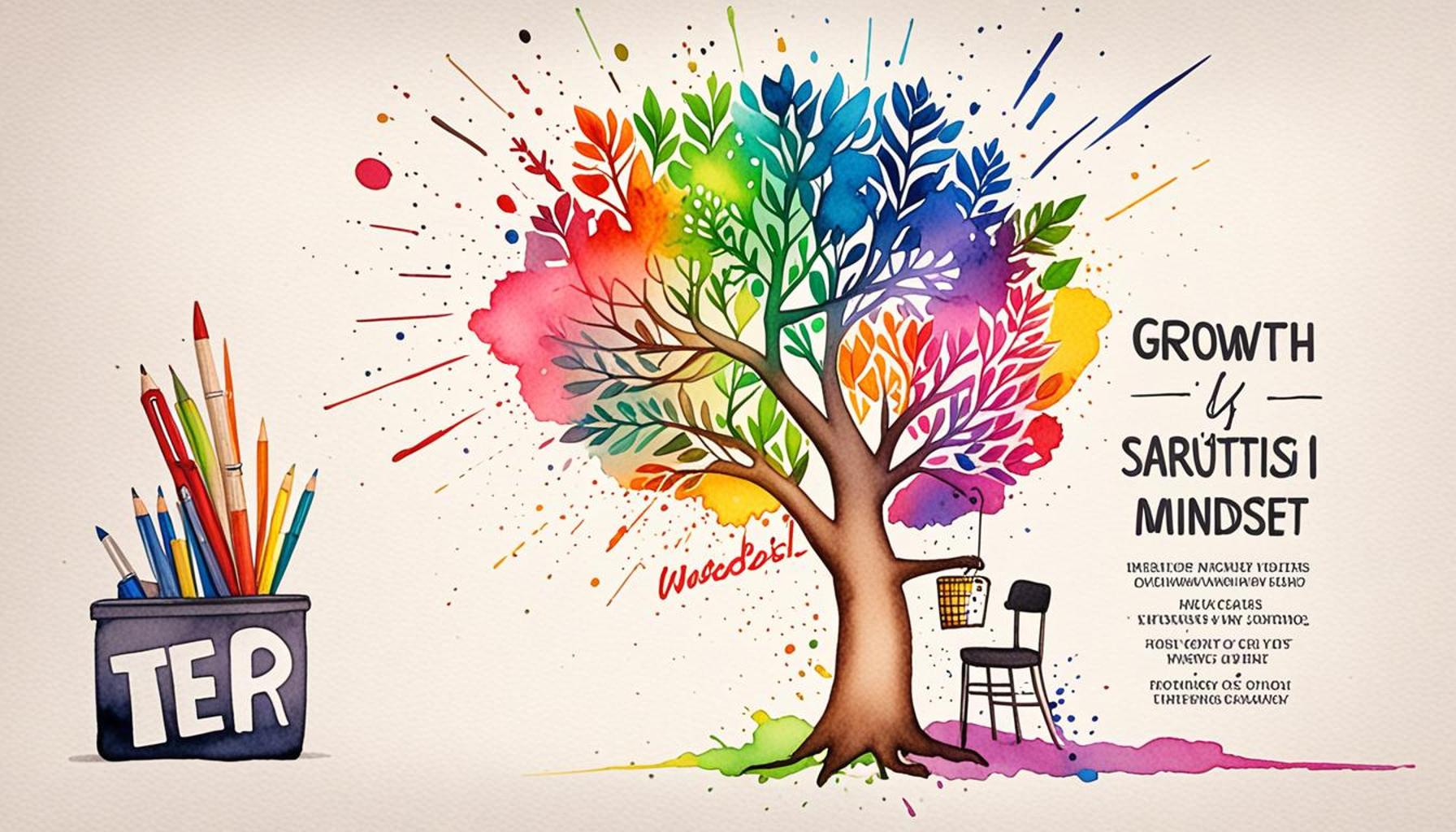
The Power of Growth Mindset in the Workplace
The growth mindset has become a buzzword within organizational development, particularly in the United States, as businesses recognize the potential for transformation it holds. Coined by psychologist Carol Dweck, this concept encourages individuals to embrace challenges, persist through obstacles, learn from criticism, and seek inspiration from others’ success. The implications of adopting a growth mindset extend far beyond personal development; they can reshape entire workplace cultures, fostering environments that are collaborative, innovative, and determined to succeed.
Organizations striving to harness the benefits of a growth mindset can implement several strategies that can catalyze change. For example, consider the impact of fostering enhanced collaboration within teams. An environment where employees feel safe to share ideas and provide constructive feedback not only improves communication but also creates a sense of belonging. This openness leads to a more inclusive culture, where diverse perspectives drive creative solutions and innovative thinking. Netflix, for instance, exemplifies this by encouraging a culture of transparency and candid feedback, which has significantly contributed to its sustained success.
Another compelling benefit of nurturing a growth mindset is the increased resilience among employees. When individuals are encouraged to view challenges as opportunities for growth, they become less likely to succumb to stress or frustration when faced with setbacks. This shift in perception can significantly lessen burnout and foster a more durable workforce. Companies like Google have invested heavily in resilience training programs, demonstrating their commitment to employee well-being and long-term success.
A culture of continuous learning is essential for any organization looking to thrive. When employees are motivated to expand their skill sets and embrace innovation, they contribute to a dynamic and adaptive workplace. For example, IBM has implemented various learning initiatives, including AI-driven personalized learning paths, that enable their employees to acquire cutting-edge tech skills essential for the evolving market.
The positive ripple effects of a growth mindset extend to employee engagement, higher retention rates, and better adaptability. Engaged employees are statistically more productive and committed, which translates to lower turnover rates and a more experienced workforce. Moreover, teams that readily embrace challenges often find it easier to pivot in response to market changes or technological advances, making them more competitive.

As leaders explore avenues to implement growth mindset strategies, they must focus on cultivating environments rich in encouragement, valuable feedback, and opportunities for development. This deliberate approach not only unlocks individual potentials but can revolutionize the entire organization, positioning it for sustained growth and success in a rapidly changing world.
SEE ALSO: Click here to read another article
Transformative Strategies for Adopting a Growth Mindset
Implementing growth mindset strategies in the workplace isn’t just a nice-to-have; it’s essential for any business looking to enhance productivity and achieve long-term success. Several actionable approaches can lead employees to embrace challenges and continuously develop their skills, ultimately benefiting the organization as a whole.
One of the most effective strategies is to create a culture of feedback. Organizations like Adobe have revolutionized their performance management by shifting away from traditional annual reviews to a more dynamic feedback system. Regular feedback sessions allow employees to identify areas for improvement while reinforcing their strengths. This iterative process makes it easier for individuals to adapt and grow, fostering a workplace environment where learning is celebrated, not criticized.
Additionally, organizations can benefit immensely from establishing mentorship programs. By pairing seasoned professionals with less experienced employees, businesses can create a nurturing atmosphere where knowledge and skills are exchanged. This not only helps employees feel valued and supported but also encourages mentees to take on challenges, knowing they have guidance through the process. A report by the Association for Talent Development highlights that mentored employees are 20% more likely to be promoted compared to their non-mentored peers, showcasing the tangible advantages of this growth-oriented strategy.
Moreover, companies should consider integrating training and development opportunities into their operational frameworks. Organizations like Deloitte have recognized that continuous education leads to better performance. By offering workshops, online courses, and even access to industry conferences, companies empower employees to expand their skill sets and grow within their roles. This investment in employee development not only enhances productivity but also improves retention rates, as employees are more likely to stay with organizations that prioritize their growth.
Implementing goal-setting frameworks can also be highly effective in promoting a growth mindset. The SMART (Specific, Measurable, Achievable, Relevant, Time-bound) criteria provide a structured approach for setting clear objectives. When employees have concrete goals to work toward, they are more likely to embrace challenges and seek out the resources needed to overcome obstacles. Organizations such as Google have successfully incorporated OKRs (Objectives and Key Results) as part of their planning process, which has been instrumental in driving alignment and accountability across teams.
- Feedback Cultures: Establish an open environment for regular feedback.
- Mentorship Programs: Develop mentorship opportunities to foster knowledge sharing.
- Training Initiatives: Provide various training programs to encourage skill development.
- Goal-Setting Frameworks: Implement effective goal-setting methodologies like SMART or OKRs.
By adopting these strategic initiatives, businesses can lay the groundwork for a flourishing culture centered around growth and resilience. Not only do these strategies increase individual productivity, but they also contribute to the organization’s overarching success. As more leaders embrace a growth mindset, the profound impact on workplace dynamics becomes increasingly evident.
| Advantage | Description |
|---|---|
| Enhanced Learning Opportunities | Employing growth mindset strategies encourages employees to embrace challenges, leading to enriched learning experiences. |
| Increased Collaboration | A culture promoting a growth mindset fosters collaboration, as team members value input and learn from one another. |
| Improved Resilience | Implementing these strategies cultivates resilience to lessons learned from failures, transforming them into growth pathways. |
| Boosted Motivation | Employees motivated by a growth mindset are more likely to pursue innovation, enhancing overall productivity. |
The positive impact of a growth mindset within workplace environments plays a pivotal role in driving productivity and success. By focusing on strategies that empower employees, organizations can foster a culture where continuous improvement is celebrated. This approach stimulates not only individual performance but also strengthens teamwork, resulting in collective achievements. Leveraging such mindset frameworks enables organizations to remain competitive and adaptive in rapidly changing markets. As businesses navigate these dynamics, implementing growth mindset strategies will be essential for achieving sustained success.
CHECK OUT: Click here to explore more
Fostering Innovation Through Encouragement and Risk-taking
To effectively cultivate a growth mindset within teams, organizations should prioritize innovation and risk-taking. In many workplaces, fear of failure can stifle creativity and limit the pursuit of new ideas. Companies like Amazon have demonstrated how a culture that embraces calculated risks can lead to groundbreaking innovations. By encouraging employees to share their ideas freely and accept failures as learning experiences, businesses can transform how their teams approach challenges. Research from Harvard Business Review indicates that organizations characterized by risk tolerance and supportive environments witness up to 30% higher levels of employee engagement and creativity.
Implementing team-building activities that emphasize collaboration and creative problem-solving can also bolster a growth mindset. Workshops and brainstorming sessions where diverse teams work together to tackle complex projects not only enhance interpersonal relationships but also bring out a wealth of different perspectives. According to a study from McKinsey, companies that implement inclusive practices are 1.7 times more likely to be innovative and capture new markets. Emphasizing collective success over individual achievement fosters an atmosphere where all team members are encouraged to lean into their strengths and collaborate on overcoming obstacles.
Furthermore, organizations can enhance their commitment to a growth mindset by recognizing and rewarding efforts, not just outcomes. This strategy involves acknowledging the risks that employees take and the learning experiences they gain, regardless of the final results. Companies like Microsoft have shifted their performance evaluation systems to include recognition of effort and the learning process. This has resulted in employees feeling more motivated to innovate, knowing that their attempts at growth will be validated, even if they do not always lead to immediate success.
In addition, employing technology and tools that support a growth mindset can significantly enhance productivity. Platforms such as Slack and Trello facilitate real-time communication and project tracking, enabling teams to collaborate effectively while embracing an agile work environment. The instant feedback loops created by these tools help individuals feel more connected and informed, effectively driving a growth-driven culture. A report from Gallup highlights that organizations utilizing collaborative technology experience 21% higher productivity among their employees, showcasing its pivotal role in promoting a growth mindset.
- Foster Innovation: Embrace a culture that encourages calculated risk-taking to drive creativity.
- Team-building Activities: Organize collaborative workshops that enhance collective problem-solving.
- Recognize Efforts: Reward employees for taking risks and learning from experiences.
- Utilize Technology: Implement collaborative tools that support a growth-oriented environment.
As organizations weave these practices into their frameworks, they cultivate a workforce that is adaptable, resilient, and prepared to take on future challenges with confidence. By investing in a growth mindset culture, companies can unlock higher levels of productivity, leading to sustainable success and innovative solutions that resonate within their industries.
CHECK OUT: Click here to explore more
Conclusion
In an era where adaptability and resilience are paramount, embracing growth mindset strategies in the workplace has never been more crucial. Organizations that prioritize innovation, collaboration, and the recognition of efforts over pure outcomes are not merely surviving; they are thriving. By fostering a culture that encourages calculated risk-taking and viewing challenges as opportunities for learning, companies can affect profound changes in employee engagement and overall productivity.
The benefits of such a mindset extend far beyond individual employee performance. As highlighted by various studies, teams that engage in inclusive practices and collaborative problem-solving are often significantly more innovative. Techniques such as tailored team-building activities and the integration of cutting-edge technologies can turn diverse insights into actionable strategies, ultimately driving competitive advantage.
Moreover, rewarding employees for their efforts cultivates a sense of safety that encourages bold ideas and creativity. Companies like Microsoft serve as exemplary models of how such an approach can lead to increased motivation and lower turnover rates—a vital asset in today’s fast-paced work environment.
As we consider the future, businesses that embed a growth mindset into their cultures will likely lead the charge in their industries, continuously adapting and evolving in line with emerging market demands. Adopting these strategies arms organizations with the tools necessary for unlocking lasting success while establishing a work environment where every individual can reach their fullest potential. This is not just an investment in productivity; it is a commitment to cultivating a better and more innovative workplace for all.
Related posts:
How Abundance Mindset Impacts Personal Success and Growth
Boost Self-Confidence Mental Clarity with Journaling Techniques
How to Define Progress Indicators for Personal Growth Success
Turn Criticism Into Personal Growth Opportunities Key Insights
Focus Strategies to Avoid Distractions and Boost Productivity
Self-Assessment Strategies to Identify Personal Improvement Areas

Linda Carter is a writer and growth mindset specialist with expertise in cognitive development and resilience training. With extensive experience helping individuals transform limiting beliefs and unlock their potential, she shares practical mindset strategies on our platform. Her goal is to empower readers with science-backed techniques to cultivate adaptability, embrace challenges, and achieve continuous personal and professional growth.