Growth Mindset Techniques to Overcome Daily Challenges
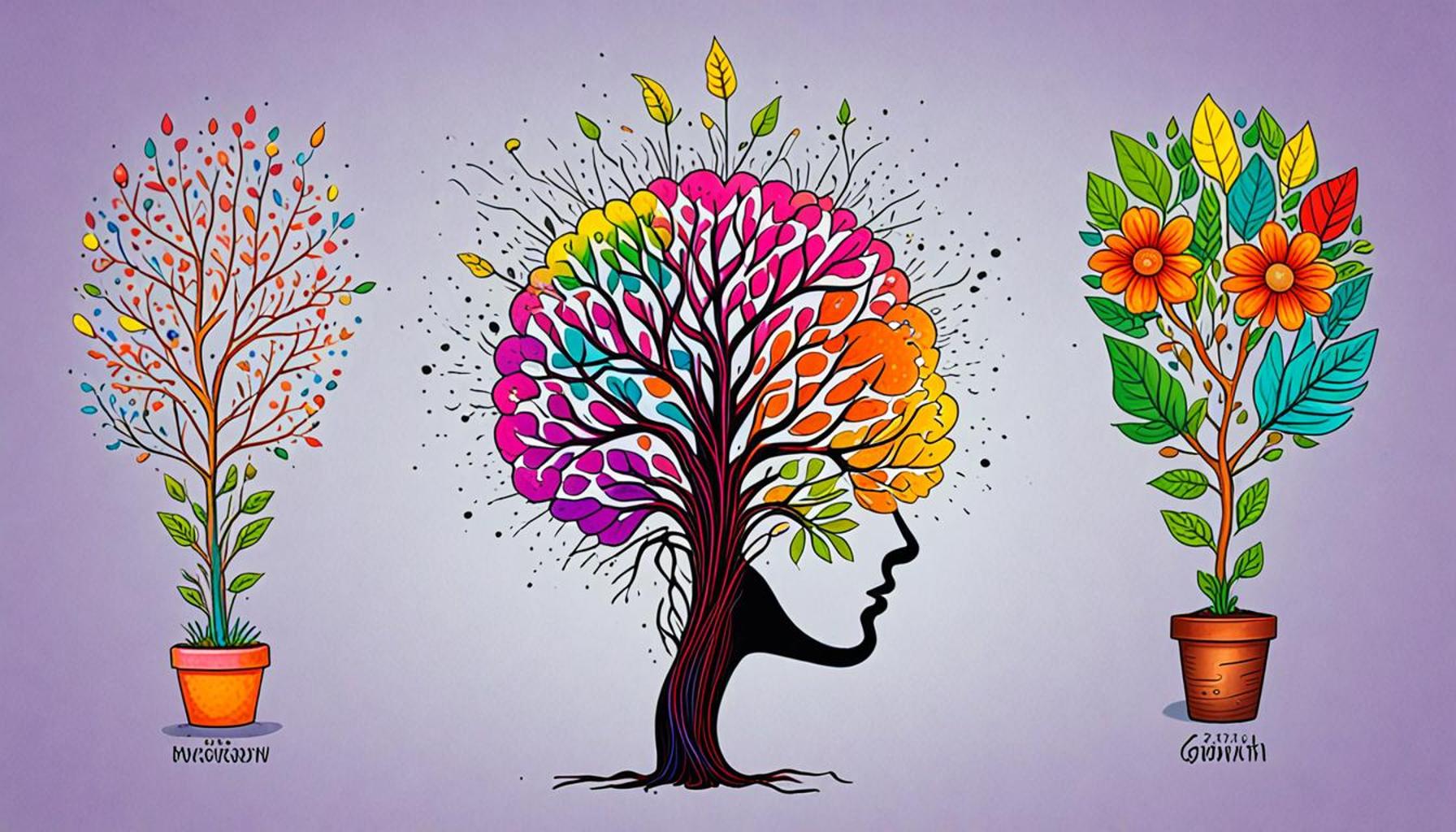
Unleashing Potential through Mindset
Every day presents us with unique challenges, from personal struggles to professional hurdles. Embracing a growth mindset can transform these obstacles into opportunities for development and learning. By adopting practical techniques, individuals can not only navigate difficulties but also emerge stronger and more resilient.
The Power of a Growth Mindset
This approach to thinking encourages resilience, adaptability, and a willingness to learn. With its roots in psychological research, a growth mindset emphasizes the belief that abilities and intelligence can be developed through dedication and hard work. Here are some reasons why this mindset is essential:
- Fosters resilience during setbacks.
- Promotes a love for learning and self-improvement.
- Creates a greater sense of achievement when overcoming challenges.
In the following sections, we will delve into the Top 5 practical techniques to cultivate a growth mindset and effectively tackle daily challenges. Whether in the workplace or personal life, these strategies can empower you to unlock your true potential.
Top 5 Practical Growth Mindset Techniques to Overcome Daily Challenges
The concept of a growth mindset, introduced by psychologist Carol Dweck, revolutionizes the way we perceive talent and intelligence. Contrary to a fixed mindset, where abilities are seen as static traits, a growth mindset suggests that abilities and intelligence can be developed through dedication and hard work. By embracing this perspective, individuals cultivate resilience, empowering themselves to tackle daily challenges more proactively and effectively. In this in-depth exploration, we will delve into five practical techniques that enable the adoption of a growth mindset. These techniques are not only applicable to professional and academic environments but also to personal life, fostering ongoing personal growth and facilitating the overcoming of obstacles. Join us as we unravel these techniques, beginning with the fifth and culminating in the foremost strategy.
5. Embrace Failure as a Learning Opportunity
Failure often evokes fear and avoidance, yet it is a pivotal aspect of the growth process. Within a growth mindset, failure is not a dead end but a necessary pathway to success. Viewing errors and mistakes as vital components of learning can significantly shift your mindset from one of despair to one of determination. This approach encourages the analysis of what went wrong, turning perceived failures into valuable educational experiences. Consider Thomas Edison, who famously stated, “I have not failed. I’ve just found 10,000 ways that won’t work.” His relentless dedication, despite repeated setbacks, eventually led to the invention of the electric light bulb.

To foster a mindset that embraces failure:
- Reflect on what led to the failure and identify patterns or recurring mistakes.
- Take notes on the lessons learned to inform future endeavors.
- Implement changes and adjust your approach in subsequent attempts.
This technique allows for a more empowering narrative, transforming every misstep into a stepping stone towards personal achievement and resilience.
4. Set Specific, Achievable Goals
An important facet of developing a growth mindset is establishing goals that are both challenging and attainable. This is where the concept of SMART goals comes in, which stands for Specific, Measurable, Achievable, Relevant, and Time-bound. This structured goal-setting strategy not only motivates but also directs efforts towards a clear endpoint, thus increasing the likelihood of success. Consider Olympic athletes who set incremental performance targets that stretch their abilities a little further each time, leading to exceptional achievements on the world stage.
To harness the power of goal setting:
- Be specific about the goals you want to achieve, breaking them down into manageable steps.
- Measure your progress consistently to maintain motivation and accountability.
- Ensure goals are realistic and achievable with the resources and time you have.
This method not only drives a sense of accomplishment but also solidifies a growth-oriented mindset, reinforcing continual personal and professional development.
3. Cultivate a Positive Self-Dialogue
The conversations we have with ourselves are powerful shapers of our reality. A positive self-dialogue entails recognizing and reframing negative thoughts into constructive feedback, thereby enhancing self-confidence and resilience. This method is akin to cognitive-behavioral techniques used by psychologists to treat anxiety and depression. For example, during challenging situations, renowned authors often remind themselves that every word written is one step closer to the final masterpiece, rather than focusing on initial imperfections.
Improve your internal narrative by:
- Identifying negative thoughts quickly before they escalate.
- Challenging these thoughts and actively replacing them with positive affirmations.
- Practicing daily affirmations to solidify a positive mindset in routine tasks.
By establishing a supportive internal dialogue, you prepare yourself to tackle life’s hurdles with greater confidence and composure.
2. Seek Feedback and Collaboration
Feedback is often perceived as criticism rather than a tool for improvement. In the realm of a growth mindset, feedback from others serves as a mirror reflecting areas needing attention and enhancement. Furthermore, collaboration with peers promotes the exchange of diverse ideas, creating synergies that drive innovation. Think of scientists collaborating worldwide, pooling their knowledge and resources to tackle global challenges such as climate change.
Maximize this technique by:
- Actively seeking feedback from mentors, colleagues, or even through peer reviews.
- Engaging in collaborative projects to leverage collective expertise.
- Remaining open to criticism and using it as a spur for personal growth.
Creating an environment of collaborative learning facilitates a support network that not only propels individual progression but fosters communal resilience against challenges.
1. Adopt a Lifelong Learning Approach
At the core of a growth mindset lies the unequivocal commitment to lifelong learning. By perpetually seeking knowledge, whether through formal education or self-initiated exploration, individuals remain equipped to adapt and thrive amidst changing circumstances. Innovators and thought leaders like Steve Jobs exemplified this trait by continuously expanding their knowledge base, leading to groundbreaking technological advancements.
Embrace lifelong learning by:
- Exploring new subjects that ignite your passion or fill gaps in your understanding.
- Attending workshops, webinars, or online courses to stay abreast of new developments.
- Reading widely to gain diverse perspectives and strengthen critical thinking skills.
By embedding lifelong learning into your daily routine, you cultivate an adaptive mindset, essential for navigating and overcoming everyday challenges.
In conclusion, adopting these five growth mindset techniques is a transformative journey. They are not merely tools but essential steps towards developing a resilient, empowered approach to encountering and surmounting life’s difficulties. By consistently integrating these strategies into your life, you foster the capacity not only to meet challenges head-on but to grow through them, setting the stage for continual personal and professional advancements.
| Category | Details |
|---|---|
| Adaptability | Embracing change and difficult situations allows for profound personal development. This adaptability promotes resilience and the ability to thrive amidst challenges. |
| Positive Attitude | Fostering a positive mindset aids in navigating obstacles with a focus on potential solutions rather than problems. This encourages innovative thinking and may lead to unexpected breakthroughs. |
| Continuous Learning | Valuing the importance of ongoing self-improvement equips individuals with new skills and knowledge that can be applied to overcome daily challenges. Continuous learning is vital for personal and professional growth. |
| Goal Setting | Establishing clear and measurable goals helps maintain focus and motivation. This structured approach allows for clearer paths amidst challenges, ensuring progress in the face of adversity. |
Frequently Asked Questions about Growth Mindset Techniques for Overcoming Daily Challenges
What exactly is a growth mindset, and how does it differ from a fixed mindset?
A growth mindset is the belief that abilities and intelligence can be developed over time through dedication, learning, and effort. In contrast, a fixed mindset assumes that these qualities are innate and unchangeable. This fundamental difference influences how individuals approach challenges: those with a growth mindset are more likely to embrace challenges and persist despite setbacks, viewing them as opportunities for growth and learning.
How can practicing growth mindset techniques influence daily life?
Implementing growth mindset techniques can significantly impact daily life by encouraging a proactive approach to challenges and setbacks. This mindset fosters resilience, adaptability, and a hunger for learning. Over time, individuals practicing these techniques may notice improvements in their personal and professional lives as they are more open to new experiences and less afraid of failure. The emphasis on learning from mistakes can lead to greater personal satisfaction and achievement.
Are there simple exercises I can do to develop a growth mindset?
Yes, several simple exercises can help cultivate a growth mindset. Start by setting manageable goals that require effort and learning something new each day. Reflect on challenges by keeping a growth mindset journal to document your experiences, progress, and learning from setbacks. Another exercise is to practice self-talk that emphasizes effort over inherent talent, such as saying, “I can improve with more practice.”
What are common barriers to developing a growth mindset, and how can they be overcome?
Common barriers include deeply held beliefs about intelligence and talent, fear of failure, and a reluctance to leave one’s comfort zone. Overcoming these barriers involves recognizing and challenging negative thought patterns. Embracing a lifelong learning approach, seeking feedback, and viewing failures as stepping stones rather than obstacles can gradually shift mindset. Connecting with a community that shares growth-driven values can also provide support and encouragement.
Conclusion
In today’s ever-evolving world, developing a growth mindset is not just a necessity for overcoming daily challenges; it is a fundamental asset for continual personal and professional development. This article has explored practical techniques for cultivating such a mindset, offering valuable insights and strategies that can be implemented in everyday life.
Firstly, embracing challenges as opportunities for growth is paramount. By viewing difficulties as stepping stones rather than barriers, individuals can cultivate resilience and adaptability. The importance of learning through curiosity and open-mindedness, as highlighted in the article, underscores the potential for growth in every new experience.
Secondly, the power of persistence cannot be understated. Remaining committed to goals despite setbacks builds character and fortitude. Learning to view failure not as an endpoint but as a valuable teacher is a hallmark of a growth-focused approach. Regularly reflecting on failures and extracting lessons contributes immensely to personal growth.
Finally, fostering an environment that encourages feedback and continuous learning plays a crucial role. Constructive criticism should be sought actively and used as a tool for improvement. Additionally, surrounding oneself with individuals who support and challenge growth facilitates a dynamic learning ecosystem.
The adoption of a growth mindset, as we’ve outlined, is a transformative journey that extends beyond individual benefits. It empowers communities, drives innovation, and propels organizations forward. By integrating these practical strategies into daily life, challenges become a pathway, not a roadblock, encouraging ongoing exploration and discovery. As you reflect on the techniques discussed, consider how they can be tailored to fit your unique circumstances, reinforcing the endless possibilities of a growth-oriented life.
Related posts:
Daily Disciplines Role in Building Resilience Why It Matters
Quick Recovery Tips Overcome Failures and Rejections Efficiently
Strategies to Cultivate Perseverance and Overcome Procrastination
Creativitys Role in Enhancing Resilience Unlock Your Potential
Tips to Boost Mental Energy During Stressful Overload Periods
Transform Challenges into Growth Effective Practices Strategies

Linda Carter is a writer and growth mindset specialist with expertise in cognitive development and resilience training. With extensive experience helping individuals transform limiting beliefs and unlock their potential, she shares practical mindset strategies on our platform. Her goal is to empower readers with science-backed techniques to cultivate adaptability, embrace challenges, and achieve continuous personal and professional growth.